The Role of the 1999 Penny in the Lincoln Series: A Late-Stage Modern Issue Explained
Most collectors chase early Wheat cents or transitional years. Late Memorial cents rarely receive the same attention. The 1999 Lincoln penny sits deep in the final phase of the Memorial era. It was struck in massive numbers. The design had not changed for decades. Nothing about it appears dramatic at first glance.
Yet its position in the series matters. To understand modern Lincoln cents, you must understand how late-stage issues behave — and why condition, not the calendar, defines their value.
Where 1999 Fits in the Lincoln Timeline
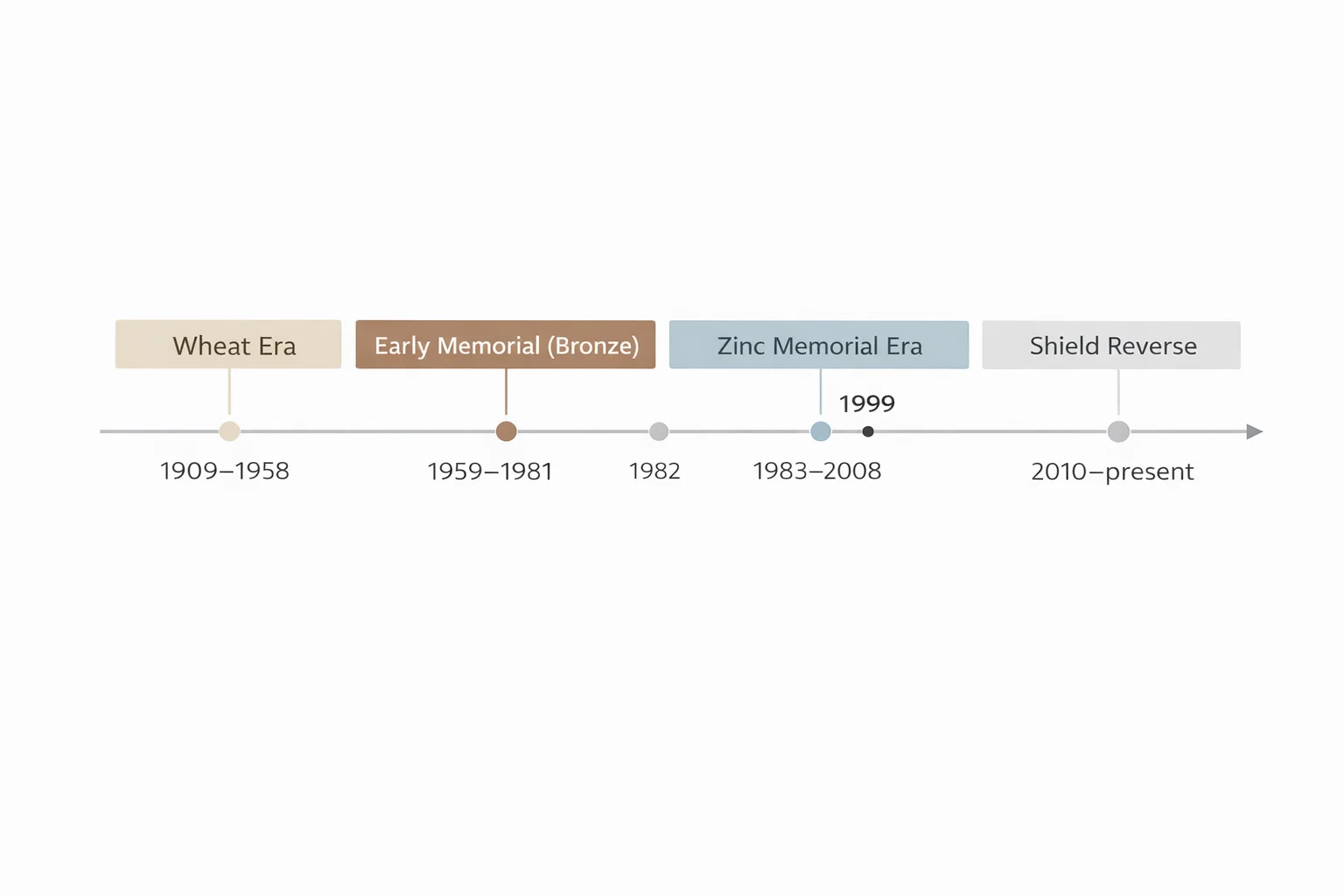
The Lincoln cent has passed through several distinct phases. Each reflects changes in metal, production scale, and collector perception.
Period | Years | Key Characteristics |
Early Wheat Era | 1909–1933 | Lower mintages, classic bronze alloy |
Mid Wheat Era | 1934–1958 | Heavy production, strong collector base |
Early Memorial (Copper) | 1959–1981 | Memorial reverse introduced, bronze alloy |
Transitional Year | 1982 | Switch from bronze to copper-plated zinc |
Zinc Memorial Era | 1983 - 2008 | Copper-plated zinc, mass production |
Shield Reverse Era | 2010 - present | New reverse design |
The 1999 cent falls deep into the zinc Memorial era. By this point, the Memorial design had been in use for forty years. The metal change from bronze to zinc had already occurred seventeen years earlier. No transitional event happened in 1999. No redesign appeared.
This matters. Late-stage issues rarely become key dates because they lack structural change. Early years of a design often carry lower mintages or experimental characteristics. Mature phases emphasize efficiency and volume. The 1999 cent reflects that stability.
Basic Specifications of the 1999 Lincoln Cent
The technical standards for 1999 are consistent across circulation strikes.
Feature | Specification |
Composition | Copper-plated zinc |
Core | Zinc |
Plating | Thin copper layer |
Weight | 2.50 g |
Diameter | 19.05 mm |
Edge | Plain |
Reverse | Lincoln Memorial |
Designer | Victor D. Brenner |
The copper layer is thin. The interior is zinc. This structure affects durability. Zinc cents show surface issues more easily than bronze pieces. Small hits can expose the core. Corrosion appears faster when plating breaks.
The design itself remains unchanged. Lincoln’s portrait on the obverse and the Memorial on the reverse are identical to those of previous years in the same era.
Mint Production in 1999
Production levels were high. Both major circulation mints operated at full capacity.
Mint | Approximate Mintage |
1999 (P) | Over 5 billion |
1999-D | Over 6 billion |
1999-S Proof | Significantly lower |
These numbers explain the coin’s availability. The 1999 issue is common in circulation and in stored rolls. Supply remains strong.
High mintage alone does not eliminate collectibility. It does limit scarcity. In modern issues, rarity usually comes from condition or error varieties, not from production totals.
1999 as a Modern Mass-Issue Coin
The 1990s marked a period of high-speed minting. Equipment was optimized for volume. Efficiency increased.
High-speed presses shorten die life. Dies wear quickly. As they deteriorate, fine details soften. This effect is visible on many late Memorial cents.
Common weak areas include:
The steps of the Memorial
Fine lines in Lincoln’s coat
Letter sharpness
Central reverse detail
Most 1999 cents show a standard strike. They rarely display dramatic relief or deep sculptural definition. That does not mean poor quality. It reflects the production style of the era.
Late Memorial cents were built for commerce. Character often depends on preservation rather than striking depth.
The 1999 Issue Value
Market levels depend on condition and finish.
Grade | Typical Market Range (approximate) |
Circulated | $0.01 – $0.10 in change |
MS63 | $0.35 – $1.00 uncertified |
MS65 | $2 – $6 typical certified examples |
MS66 | $10 – $30 typical certified examples |
MS67 | $20 – $60 common certified examples |
MS68 | $30 – $150+ for select certified pieces |
*Prices may change with time; always check the current results.
Circulated coins trade at one cent. Even lightly worn pieces show no premium.
In Mint State, separation begins. MS65 examples bring modest prices. MS66 coins rise further. MS67 pieces attract stronger demand. MS68 examples are scarce and usually appear in certified holders.
As you can see, the 1999 D penny value, like the Philadelphia and proof versions, depends not on the year itself but on preservation, strike quality, surface originality, and confirmed varieties. The date alone does not create demand. Condition does.
Strike Quality and Surface Preservation
Modern zinc cents require careful inspection.
Surface preservation is critical. Small contact marks reduce grade quickly. The thin copper plating highlights flaws.
Luster should rotate smoothly under light. Breaks in the cartwheel effect indicate friction.
Strike sharpness affects visual appeal. Weak Memorial steps lower interest in high grades. Collectors look for clean lettering and crisp edges.
Two coins may share the same numeric grade yet differ in desirability. Eye appeal remains central in modern copper-plated issues.
Memorial Detail as a Secondary Factor
Unlike Jefferson nickels, Lincoln cents do not carry a formal “Full Steps” designation. Still, collectors notice step definition.
Clear, separated lines on the Memorial add appeal. Soft centers reduce character. Strong examples attract higher bids when certified at top levels.
In 1999, fully defined steps are not rare, but they are less common in higher grades due to die wear.
Major 1999 Lincoln Cent Errors and Varieties to Watch For
While the date itself is common, several notable varieties and errors elevate interest.
Wide AM Reverse
This is the most recognized 1999 variety. A proof-style reverse die was mistakenly used for business strikes. On these coins, the letters “A” and “M” in AMERICA appear clearly separated.
This feature distinguishes them from standard Close AM coins. Confirmed examples command significant premiums. Values range from strong three-figure levels to higher territory depending on grade.
1999-P “Spiked Head”
A die crack extending from Lincoln’s head creates a visible spike-like line. Dramatic examples attract collectors of die state varieties. Prices vary based on prominence.
Off-Center Strikes
These occur when the blank shifts during striking. Value depends on the percentage of misalignment and whether the date remains visible. Coins shifted 20–50% often bring solid premiums. Exceptional examples may reach higher levels.
Doubled Die Obverse
True hub doubling may appear on “In God We Trust” or the date. Clear separation, not flat mechanical doubling, determines authenticity. Certified examples hold value well.
Filled Die / Grease Errors
Grease-filled dies create weak or missing letters. These are common but collectible when dramatic.
Mule or Die Clash Errors
Extremely rare cases show unintended design transfer from one die to another. When confirmed, such pieces can reach strong auction prices.
Error coins shift the narrative. In exceptional cases, values move from tens of dollars to hundreds, and in rare circumstances even thousands.
Market Behavior of Late Memorial Issues
The years surrounding 1999 show similar patterns. 1998 and 2000 also carried high production. No major metal change occurred. No transitional design event took place.
Late Memorial cents form a consistent block in the series. They are widely available. They become valuable only under specific conditions.
Collectors of modern issues focus on:
High certified grades
Attractive luster
Strong strike
Confirmed varieties
Registry competition adds pressure at the top. Lower Mint State levels remain accessible.
Practical Evaluation Strategy
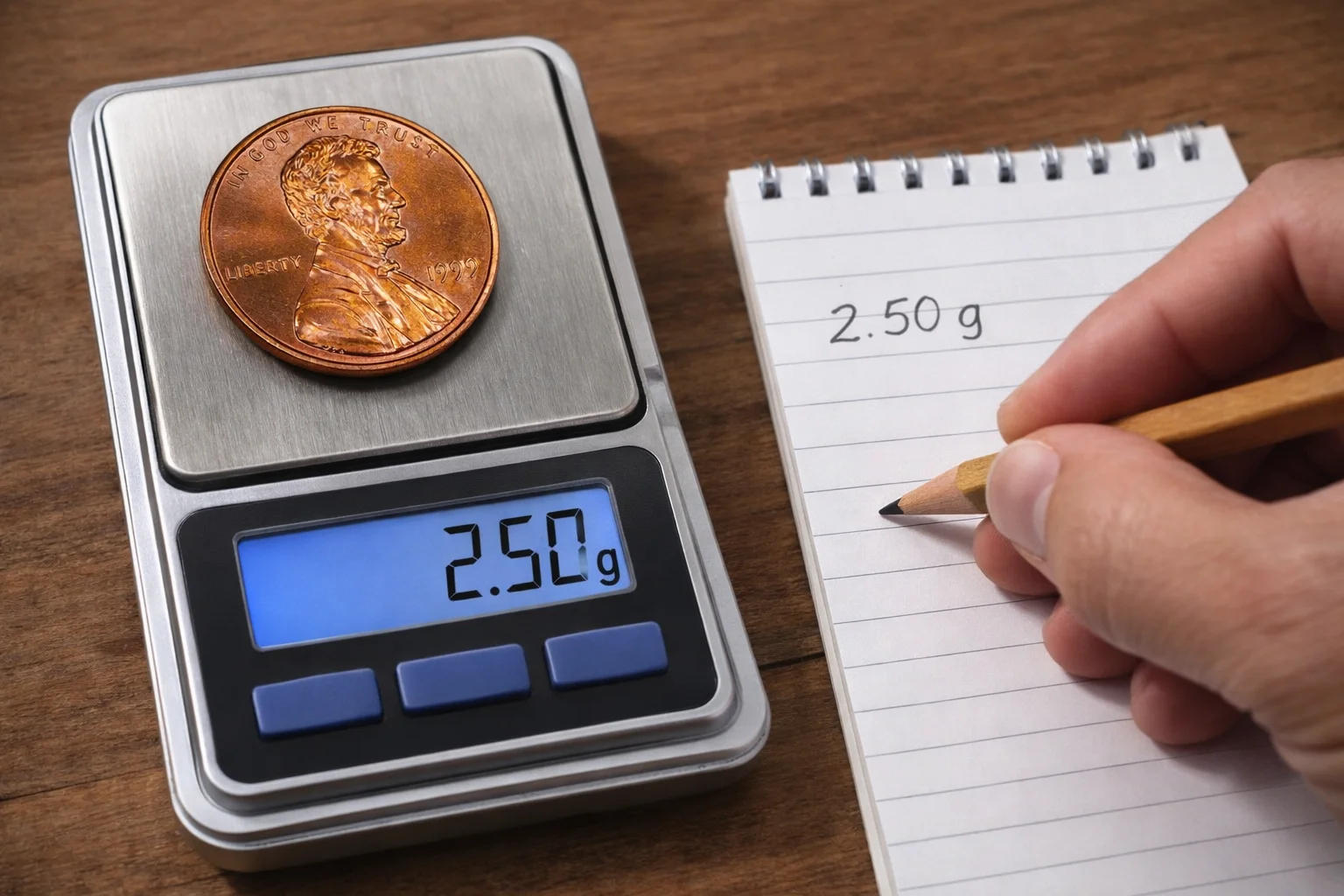
A structured inspection helps separate ordinary coins from stronger candidates.
Confirm weight at 2.50 grams.
Examine plating for bubbles or exposure.
Inspect Memorial steps.
Check AM spacing carefully.
Use neutral lighting.
Rotate for luster breaks.
For quick reference confirmation, use Coin ID Scanner. The app offers a coin’s detailed card with all minting details and estimated value. Its large database (more than 187,000 coins) helps verify mint marks and baseline parameters before detailed grading.
Conclusion: The Real Role of the 1999 Penny
The 1999 Lincoln cent represents maturity within the Memorial series. It is not rare by mintage, not transitional, and has no design change.
Its importance lies in context. It shows how modern coins behave in a mature production phase.
In circulation, it remains common. In mid-Mint State, it holds modest premiums. In high grade, especially MS67 and above, it gains strength. But if it goes about error variety, it becomes a serious collectible. Thus, all the difference comes from the details.